
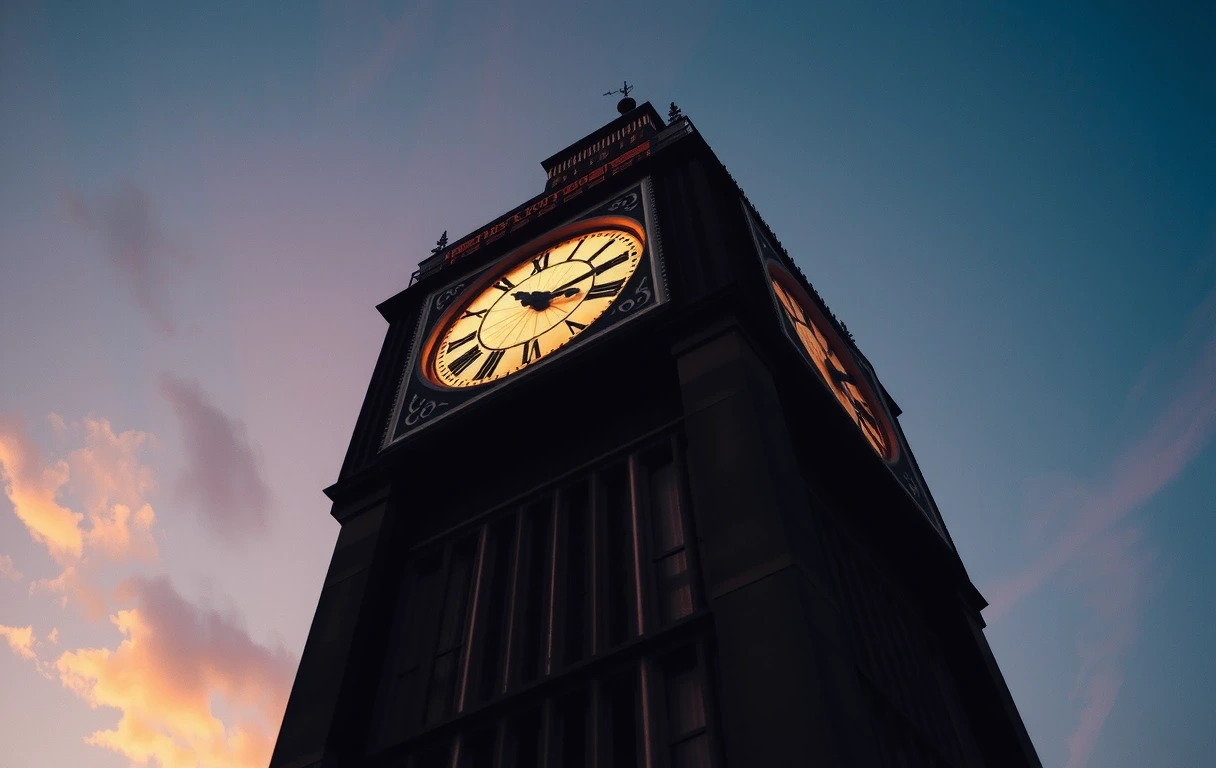
Architectural Landmarks
Educational information about clock towers, timekeeping history, and design. These structures serve as more than mere chronometers; they are the rhythmic anchors of urban identity, fusing stone, steel, and symphony into the skyline.
Clock Tower History
Factual reference on historic clocks, mechanisms, and architectural context. The transition from internal church time to the public square marked a fundamental shift in civil society.
"The town clock was the first piece of precision technology that an average citizen ever encountered, democratizing the invisible flow of time."
Salisbury Cathedral
One of the oldest working mechanical clocks in existence, housed in a heritage architecture frame with no face, relying purely on bell strikes.
Prague Astronomical
A fusion of engineering of clocks and gothic artistry, interpreting solar and lunar cycles alongside standard civil hours.

The mechanical clock replaced water and sun systems, allowing for consistency regardless of weather or season.
Time and Urban Space
Neutral content explaining time measurement systems and public clock structures. Clock towers act as visual anchors that organize city streets and public squares around their presence.
Clock towers transformed from functional public timekeepers into symbols of civic pride and architectural ambition. In the 19th and 20th centuries, the construction of a monument tower often signaled a town's economic arrival. These public time structures served as a shared synchronization point for labor, transport, and commerce.
Height and ornamentation signaled importance. The vertical emphasis of a spire-mounted clock allows for sound and visibility to project across dense urban fabrics.
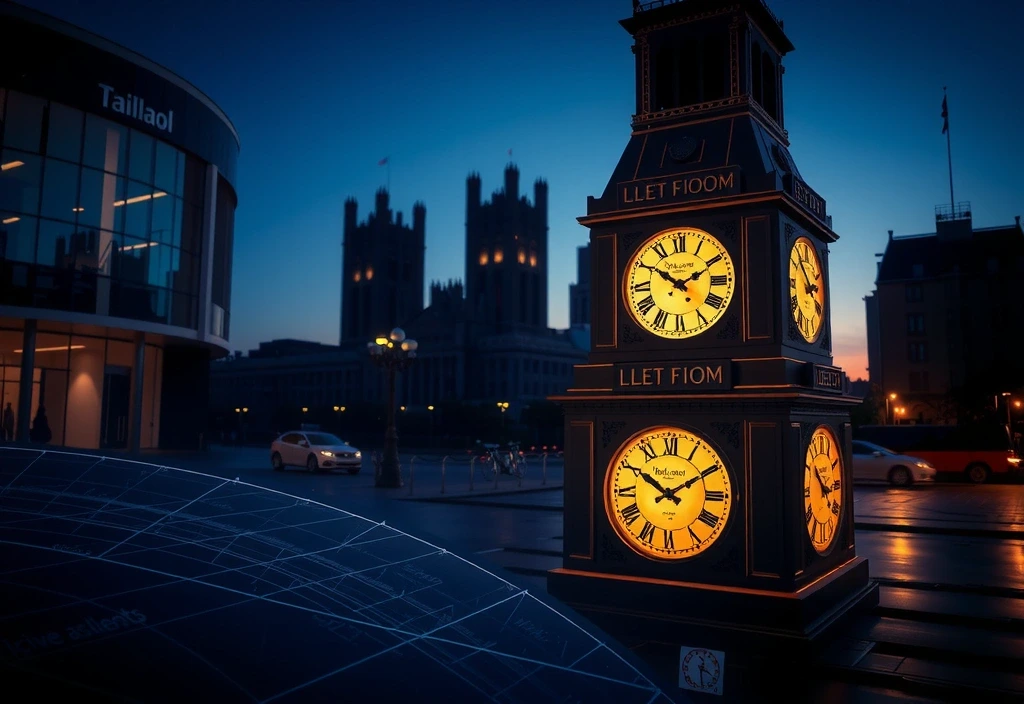
Engineering of Clocks
Historic Clock Towers
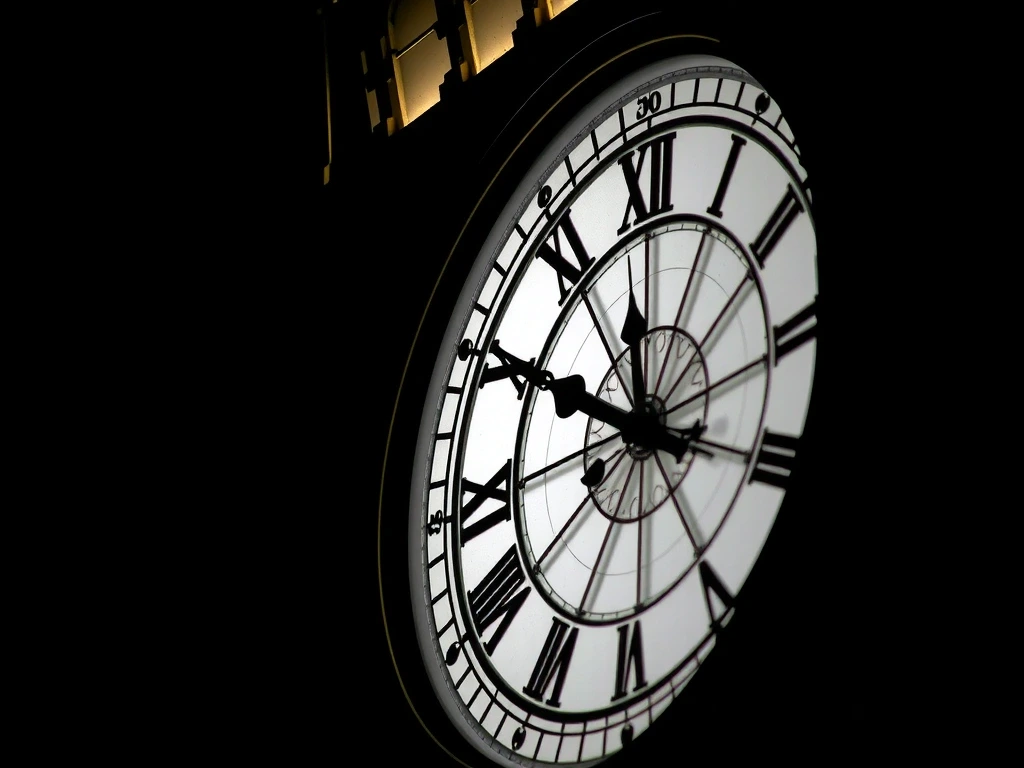
Westminster, London
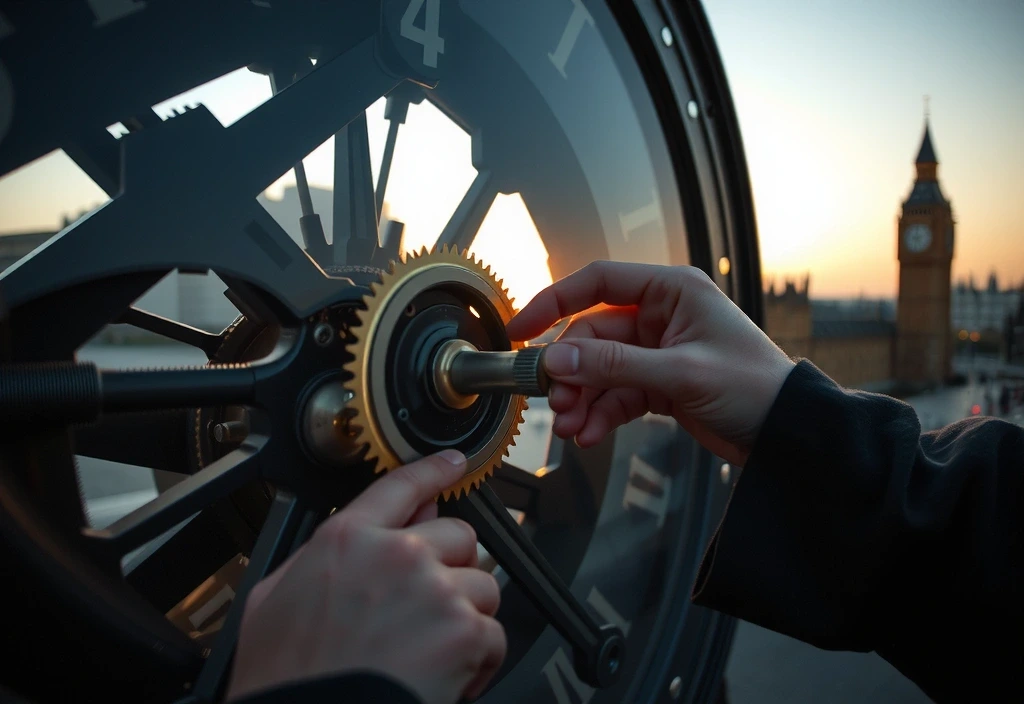
The Elizabeth Tower represents a peak in clockmaking traditions. Its mechanism, completed in 1854, utilizes a double three-legged gravity escapement to isolate the pendulum from the effects of wind load and thermal expansion on the external hands.
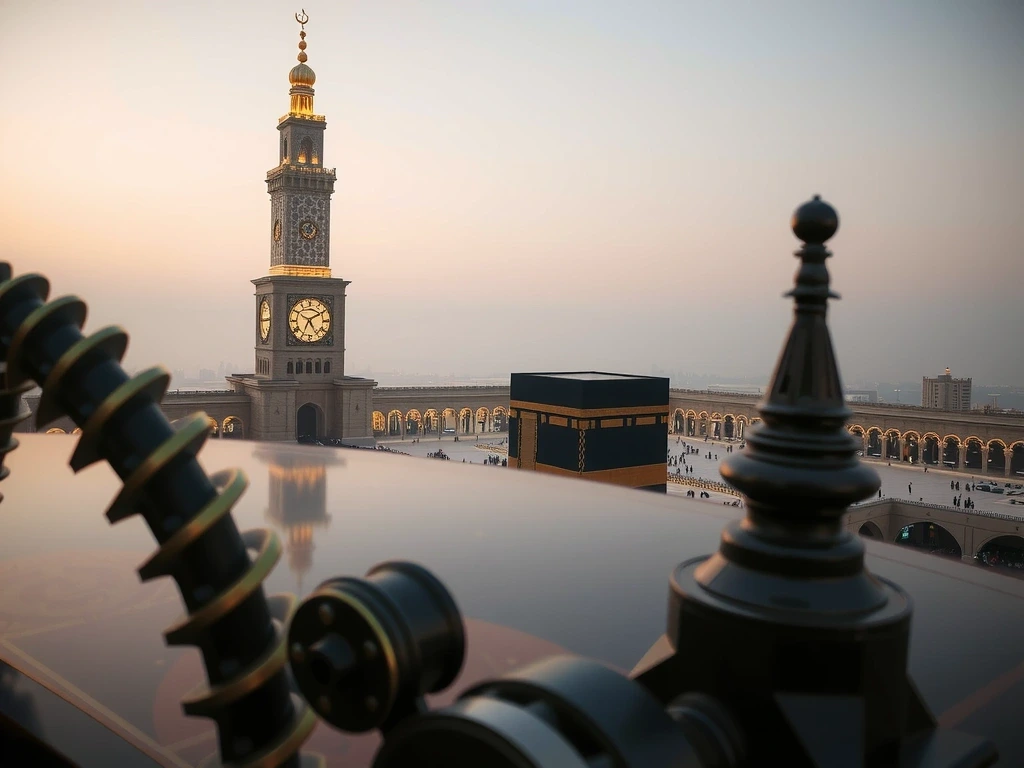
Makkah Royal Tower
A modern marvel of timekeeping technology. It features the world's largest clock faces, integrated with high-performance solar panels and LED displays that transform the structure into a nocturnal cultural time symbol.
Zytglogge, Bern
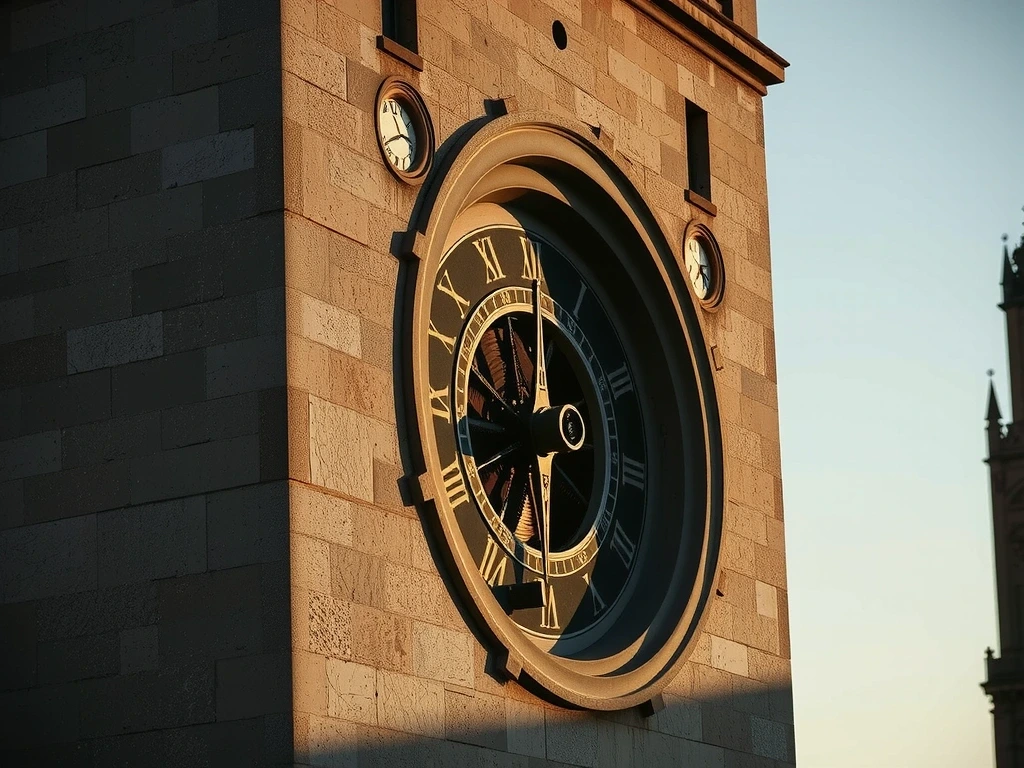
A medieval structure that has acted as a city gate and a prison. The clock mechanism explained within its walls dates to the 15th century, controlling both the astronomical dial and the playful mechanical figures that mark the hour.
Structural Load & Friction
Descriptive overview of clockmaking traditions and heritage architecture. Engineers must balance the heavy mass of bronze bells and iron gears against the structural stability of narrow towers.
- Mechanical friction loss in traditional heavy iron gears requires constant lubrication.
- Wind torque on massive external hands can stall less powerful escapements.
- Acoustic resonance of striking bells must be managed via sound diffusion louvers.
The role of cultural time symbols often extends into national identity. Colonial-era towers, frequently built as markers of administration, have been reinterpreted post-independence, becoming symbols of continuity and reclamation.
Time Measurement Systems
Public clocks bridged the gap between solar time and "standard time," essential for the safety and coordination of railway networks throughout the industrial revolution.
Public Time Structures
From village squares to central stations, these monuments act as a shared temporal compass, orienting the daily rhythm of the citizenry.
Evolution of Timekeeping
The journey from sand to gears, and finally to atomic synchronization, is mirrored in the design of the tower. While the silhouette remains classic—often utilizing limestone or granite—modern interiors now house computerized drivers that correct the strike and chime every hour via satellite signal.
Navigation Resources