
Timekeeping Through Ages
Educational information about clock towers, timekeeping history, and design. This study traces the transition from celestial observation to the high-precision atomic oscillation that defines the modern second.
Nature's Rhythms & Gnomons
Public Clock Towers
Atomic Standards
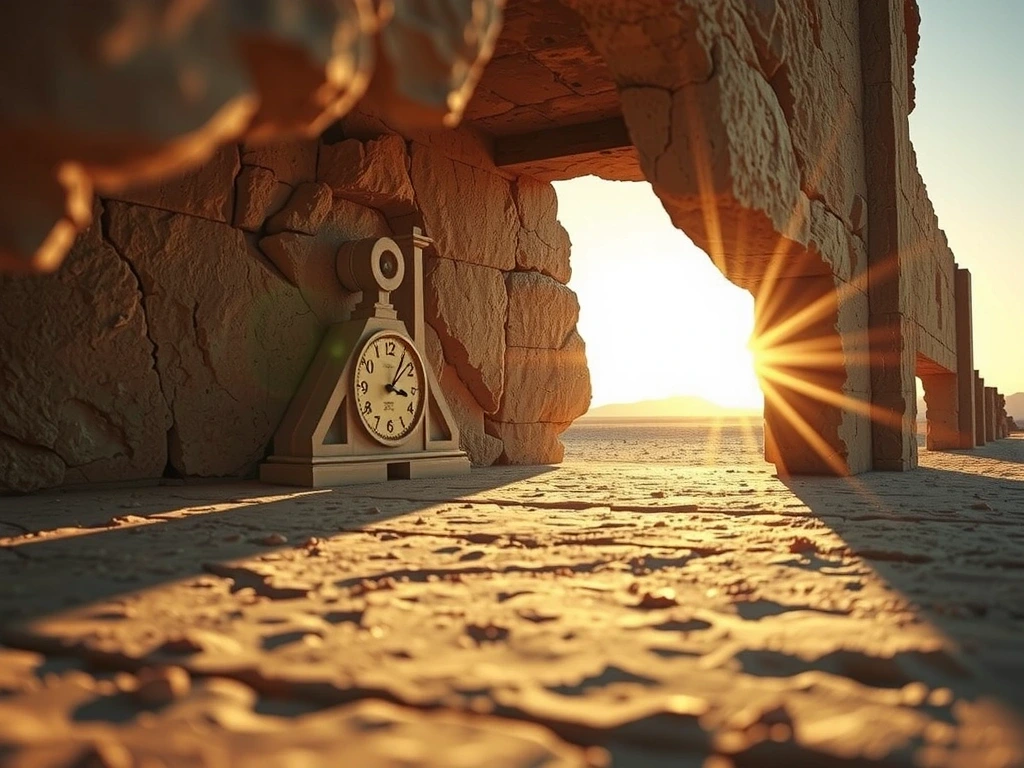
Primary Instrument
The Egyptian Gnomon
Evolution of Timekeeping
The earliest human timekeeping relied upon tracking sun and shadows with a simple stick, leading to the first sundials in ancient Egypt and Mesopotamia. These early systems were the first attempt to segment the day, though they were limited by weather and the seasonal shifting of shadows.
"Factual reference on historic clocks, mechanisms, and architectural context. Time measurement systems in antiquity were fundamentally tied to the celestial geometry of the local horizon."
The water clock (clepsydra) represented a revolutionary shift from celestial to mechanical time. Used extensively in Greek courts and Roman households, these devices allowed for the measurement of time regardless of sunlight, setting the stage for the standardization of administrative and civic durations.
Mechanical Clock Design
The introduction of the mechanical escapement in the 13th century fundamentally shifted the cultural time symbols of the Western world, moving timekeeping from the monastery to the market square.
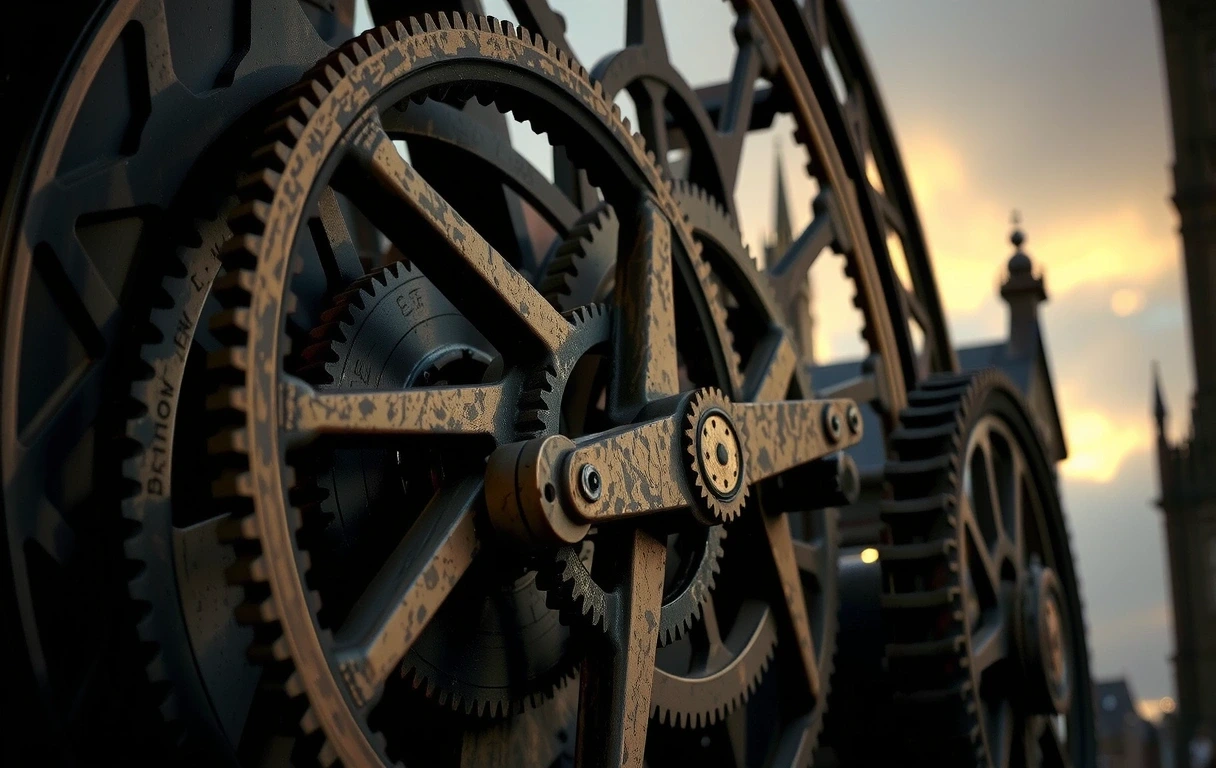
Clock Mechanisms Explained
The weight-driven tower clocks of the 13th century marked the birth of mechanical time. By utilizing the falling of a heavy mass regulated by an escapement, cities could finally synchronize activity via public time structures that were audible across entire urban spaces.
Heritage Architecture
The Salisbury Cathedral Clock is one of the oldest working mechanisms, illustrating the early medieval mastery of ironwork and time measurement systems.
Clockmaking Traditions
Portable spring-driven clocks emerged, shifting timekeeping from the public tower to the private residence, sparking a luxury trade in ornate horology.
Engineering of Clocks
Isochronism
The discovery that a pendulum’s swing takes the same amount of time regardless of its width.
Precision Gain
Errors dropped from 15 minutes a day to 15 seconds, enabling maritime navigation.
Clock Tower History
Neutral content explaining time measurement systems and public clock structures. The pendulum clock—perfected by Christiaan Huygens in 1656—revolutionized architectural landmarks by requiring taller towers for longer pendulums, which improved accuracy to unprecedented levels.
Time and Urban Space
During the Industrial Revolution, the pocket watch era and railway standardization synchronized entire nations. Public time structures became vital for transport safety and factory shifts, cementing time as a commodity. Descriptive overview of clockmaking traditions and heritage architecture illustrates how these towers became the central heartbeat of 19th-century cities.
Timekeeping Technology
The quartz revolution of the 1960s made precise time measurement ubiquitous, but the true evolution of timekeeping culminated in the atomic clock. By measuring the vibration of cesium atoms, scientists defined the second based on physical constants rather than planetary rotation.
The definition of the second: 9,192,631,770 periods of radiation from a cesium-133 atom.
Impact: GPS synchronization, global financial transactions, and deep space exploration.
Historic Clock Towers & Heritage
Architectural Landmarks
Public time structures throughout history have served not only as functional tools but as symbols of civic order and progress. From the early astronomical clocks of Prague to the minimalist precision of modern structures, they remain pillars of human engineering.
Heritage Architecture
Protecting these artifacts requires a deep understanding of clockmaking traditions and the material science behind mechanical longevity. Every gear and escapement tells a story of the era that forged it.
Chronicle of Time • Educational Reference Archival • UAE 2026