
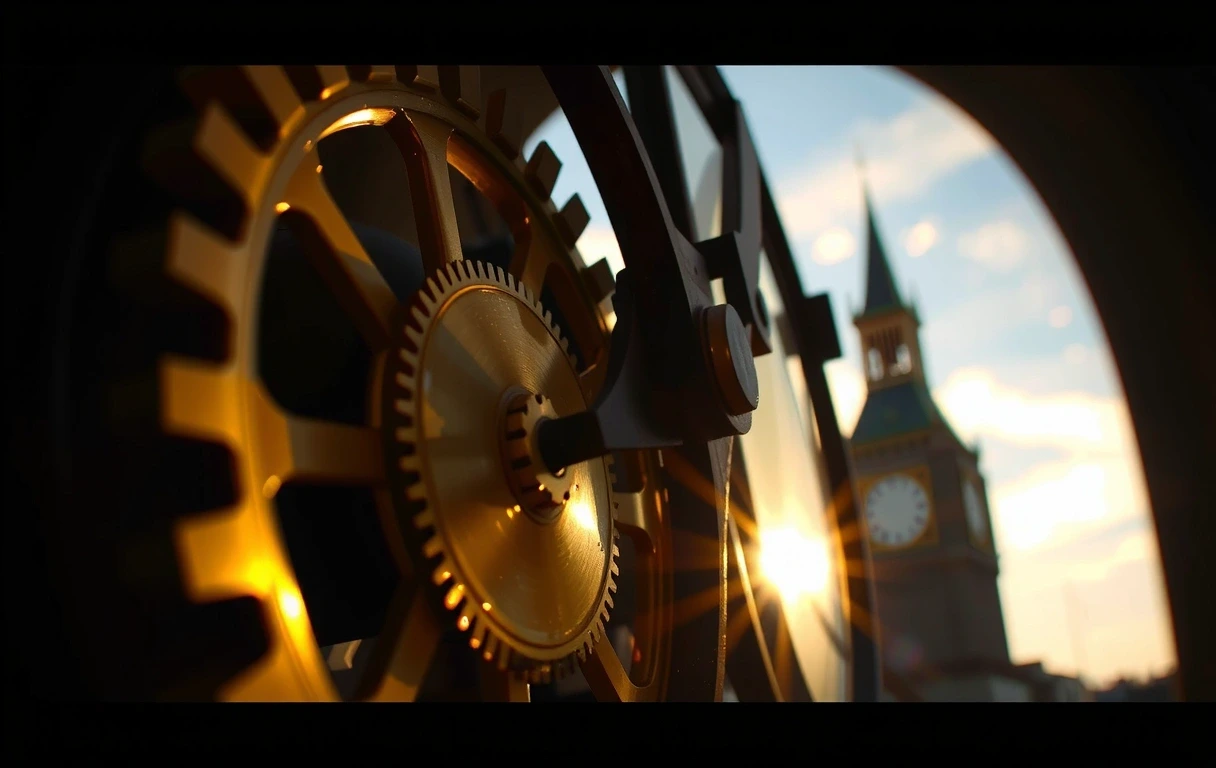
Mechanical Clock Design
An explanatory guide to the fundamental principles and components that allow the translation of raw energy into the precise, rhythmic measurement of time.
Clock Mechanisms Explained
Educational information about clock towers, timekeeping history, and design. At its core, the mechanical clock is a gravity or spring-driven computer that manages the release of energy.
"The escapement is the heartbeat of a mechanical clock, a tiny, precise lever that releases the gear train in controlled increments."
Every mechanical design begins with energy. In tower clocks, this is typically a falling stone or iron weight. The potential energy stored in the weight's height is harnessed through a drum, providing the continuous force required to drive the transmission.
Gear trains in clocks are designed for reduction ratios; a single rotation of the minute hand requires the hour hand to move 1/12th of a rotation. This is achieved through a technical series of precisely cut wheels and pinions calculated for extreme durability.
The pendulum or balance wheel serves as the harmonic oscillator. A pendulum's period is determined by its length, not its weight; a grandfather clock's long pendulum swings slowly, while a carriage clock's short balance wheel oscillates rapidly.
The motion work translates the regulated rotation of the center wheel into the visible movement of the hands. This interface ensures the public can read the time as a set of geometry-based time measurement systems.
Evolution of Timekeeping
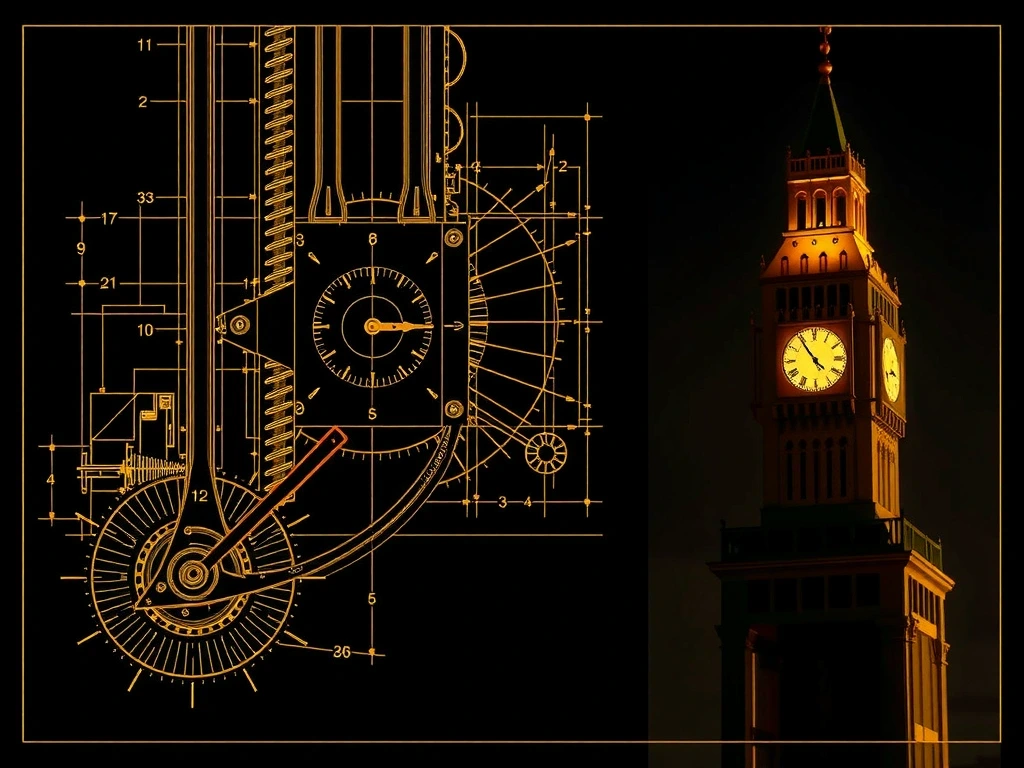
The verge and foliot, an early escapement from the 14th century, was a simple but inefficient design where a weighted foliot bar rocked back and forth, often losing significant time due to friction and irregular impulses. As engineering progressed, the deadbeat escapement and later the lever escapement allowed for greater chronometric precision and reduced wear.
The jeweled bearing, using synthetic rubies or sapphires, reduces friction at critical pivot points, a standard in clockmaking traditions since the 18th century.
Storing energy in portable units required complex fusee chains or constant-force mechanisms to maintain accuracy as the spring unwinds.
Atmospheric Compensation
Temperature compensation is critical; metals expand and contract. High-end mechanical clocks use bimetallic strips or special alloys like Glucydur in balance wheels to counteract these changes. In public time structures, environmental shifts—including humidity and barometric pressure—can alter the rate of oscillation, requiring massive, heavy pendulums with temperature-stable rods.
Clockmaking Traditions
Factual reference on historic clocks, mechanisms, and architectural context. This section explores the material specs of bronze vs steel gearing used in heritage architecture.
Time and Urban Space
The engineering of clocks is not merely an exercise in mathematics; it is the backbone of heritage architecture. In public time structures, the mechanical assembly must be robust enough to withstand centuries of operation while delicate enough to maintain time measurement systems with minimal error. The dial works, often reaching diameters of several meters, require significant torque from the going train, often managed by split-transmission designs.
Descriptive overview of clockmaking traditions and heritage architecture. Neutral content explaining time measurement systems and public clock structures. The architectural landmarks that house these movements serve as permanent cultural time symbols, marking the transition from local solar time to standardized global time. In marine chronometers, the gimbal mounting allows the clock to remain level despite a ship's motion, while the temperature-compensated balance wheel ensured reliable navigation for centuries.
The Tourbillon Constraint
A tourbillon, invented to counteract gravity's effect on a pocket watch's escapement, rotates the entire assembly in a cage. While its practical benefit in horizontal tower clocks is limited compared to handheld chronometers, it represents the pinnacle of mechanical clock design and precision manufacturing.
Structural Detail
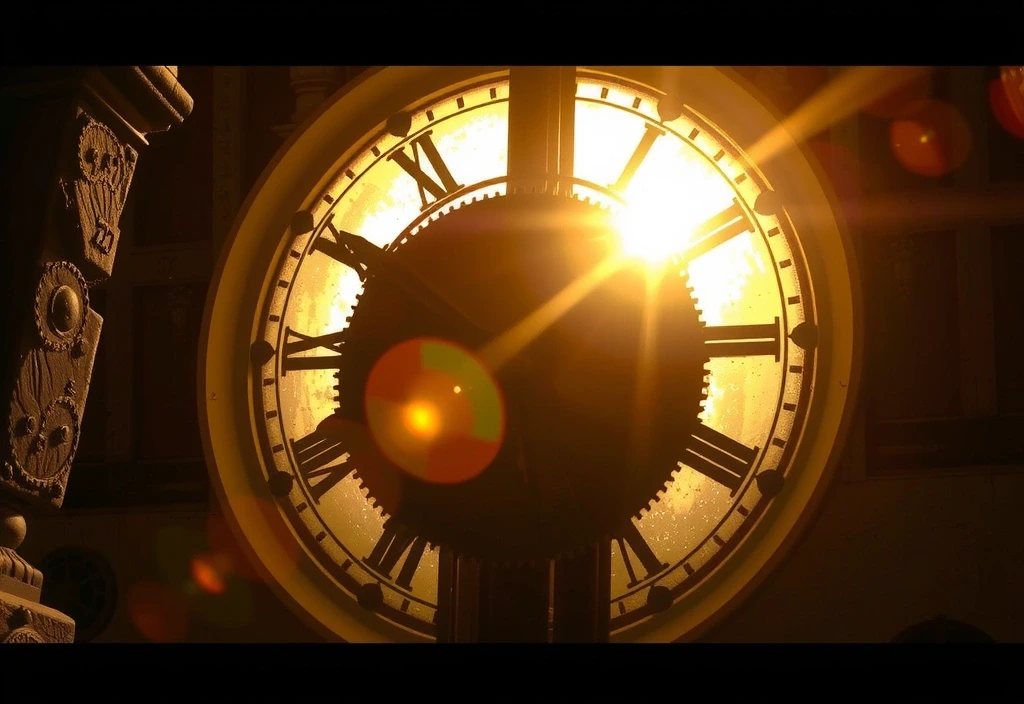
Iron pendulum assembly within a medieval belfry context.
Component Focus
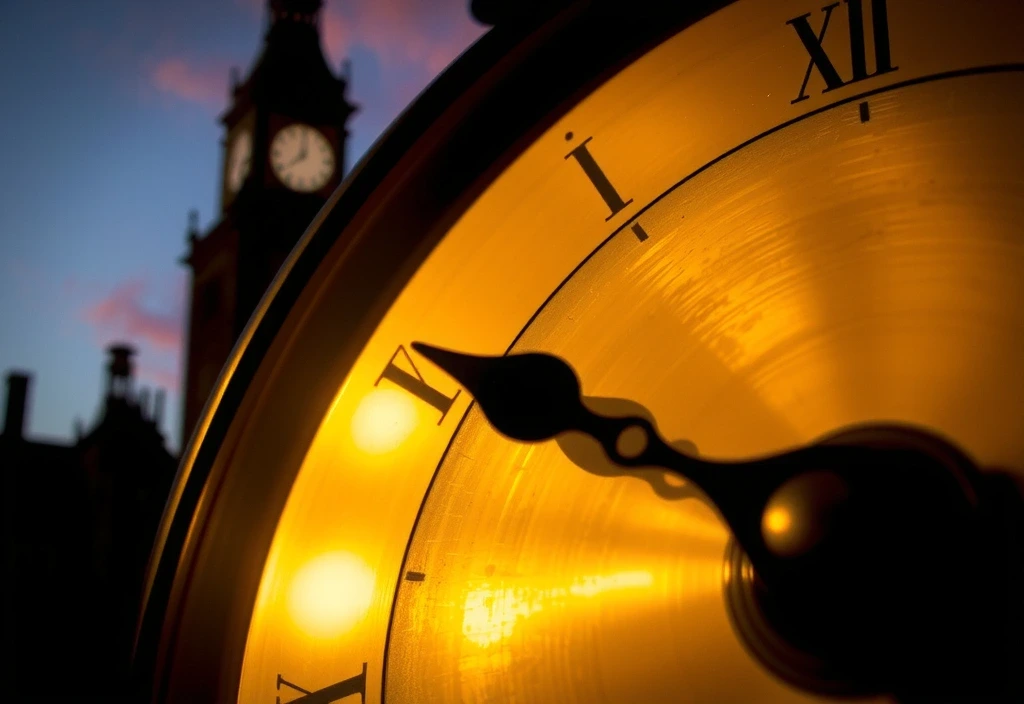
Precision-cut escape wheel showing the impulse faces.
Public Time Structures
Hack Function
Allows the stopping of the seconds hand for precise synchronization with reference signals.
Going Barrel
Mainspring design that ensures consistent power delivery as the potential energy dissipates.
Harmonic Oscillator
The core mechanism (pendulum or hairspring) that divides time into equal intervals.
Deadbeat
An escapement designed to eliminate recoil in the gear train, increasing accuracy.
Factual reference on historic clocks, mechanisms, and architectural context. This data set is provided for educational purposes regarding the engineering of clocks and historical preservation.
Evolution of Timekeeping
Understanding the mechanical clock is understanding the human drive for precision. From the first verge escapements to the master clocks of the modern era, these structures define our interaction with the temporal world.