Time Measurement
Systems
Neutral content explaining time measurement systems and public clock structures. This reference details how civilizations transitioned from celestial observation to the precision of atomic vibration.
Clockmaking Traditions
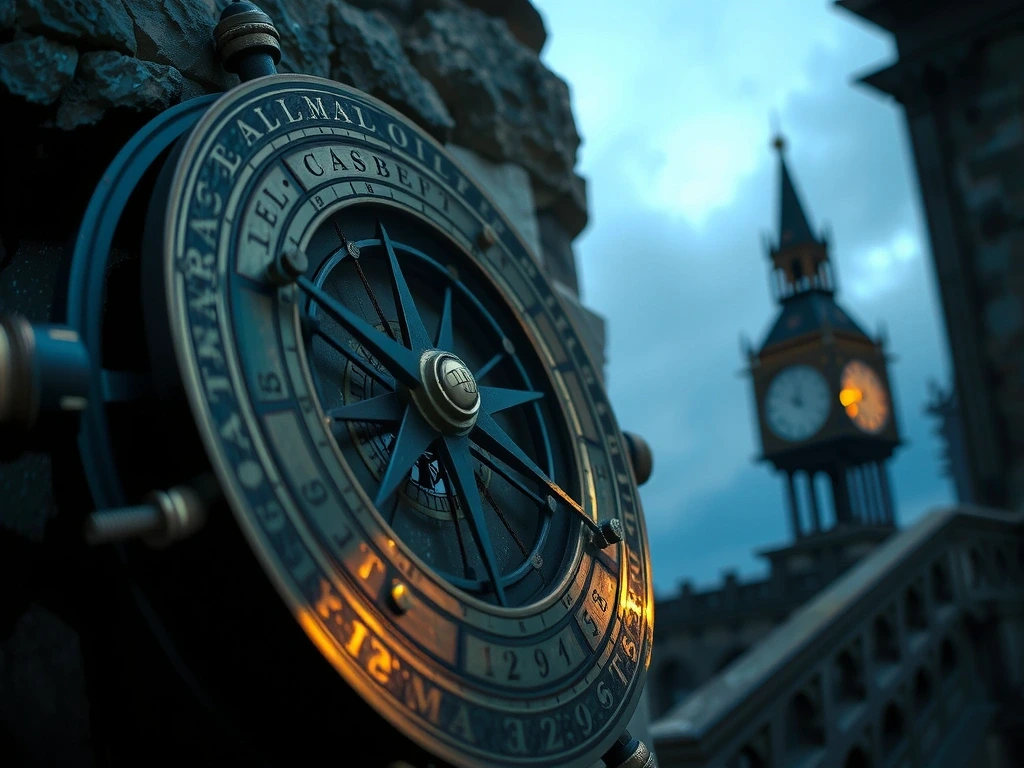
Descriptive overview of clockmaking traditions and heritage architecture. The division of time into 60 units—minutes and seconds—is a legacy of Sumerian and Babylonian sexagesimal mathematics. This base-60 system remains the global standard for time measurement systems, linking ancient celestial geometry to modern timekeeping technology.
The transition from "temporal hours" (variable lengths based on seasons) to "equinoctial hours" (fixed 60-minute periods) was the catalyst for the development of the mechanical clock. Before this, the rhythm of life followed solar time, which fluctuates throughout the year.
Solar Measurement
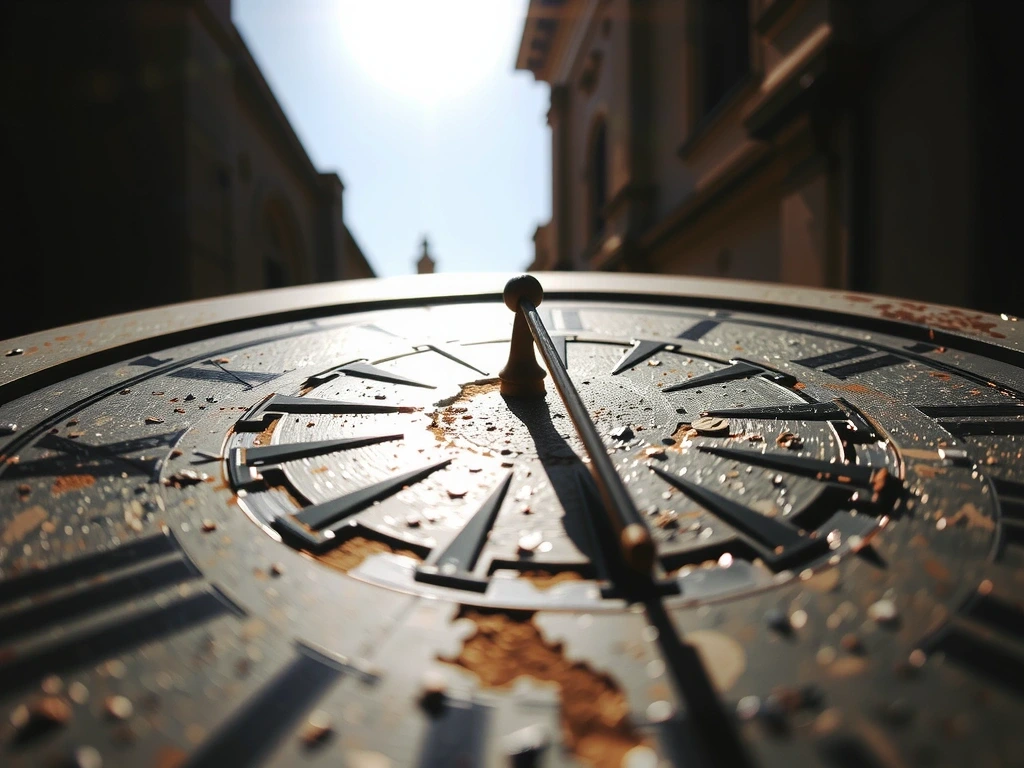
Relies on the gnomon’s shadow cast upon a calibrated plate. While inherently accurate to local positioning, its failure on cloudy days necessitated the engineering of water and sand-based counters.
Atomic Precision
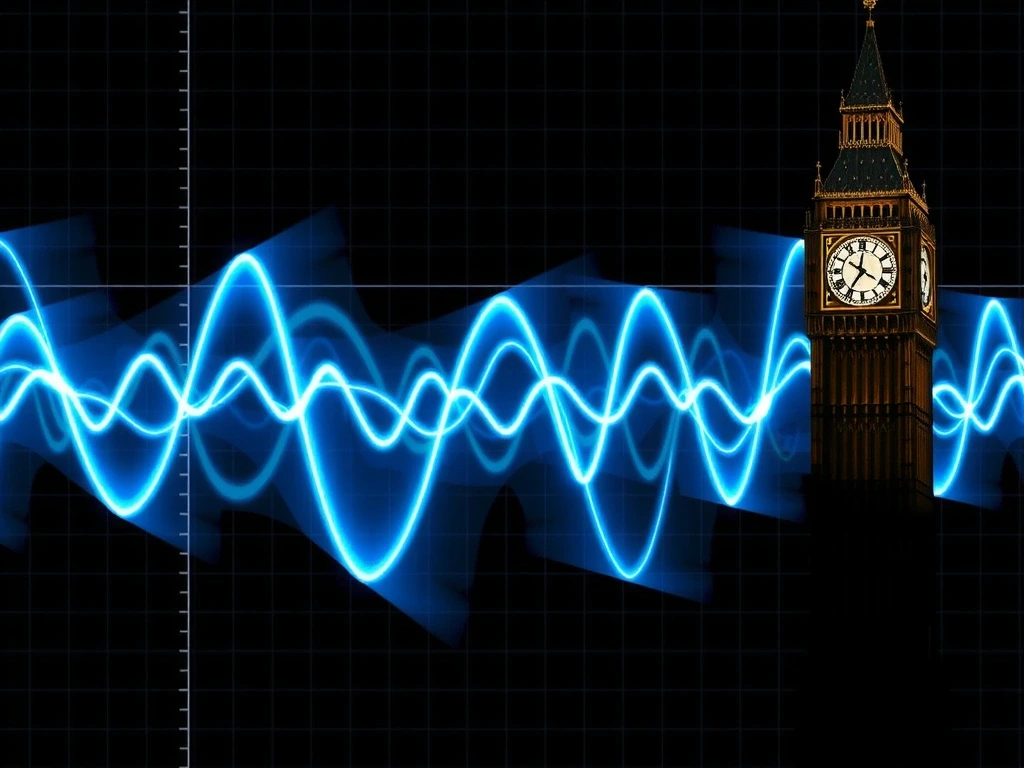
The current definition of a second is based on the vibration of cesium-133 atoms. This system provides the requisite stability for GPS synchronization and global telecommunications.
Clock Mechanisms Explained
Factual reference on historic clocks, mechanisms, and architectural context. The transition to public time structures relied on the innovation of the escapement—the mechanical "heartbeat" that prevents the energy of a falling weight from discharging all at once.
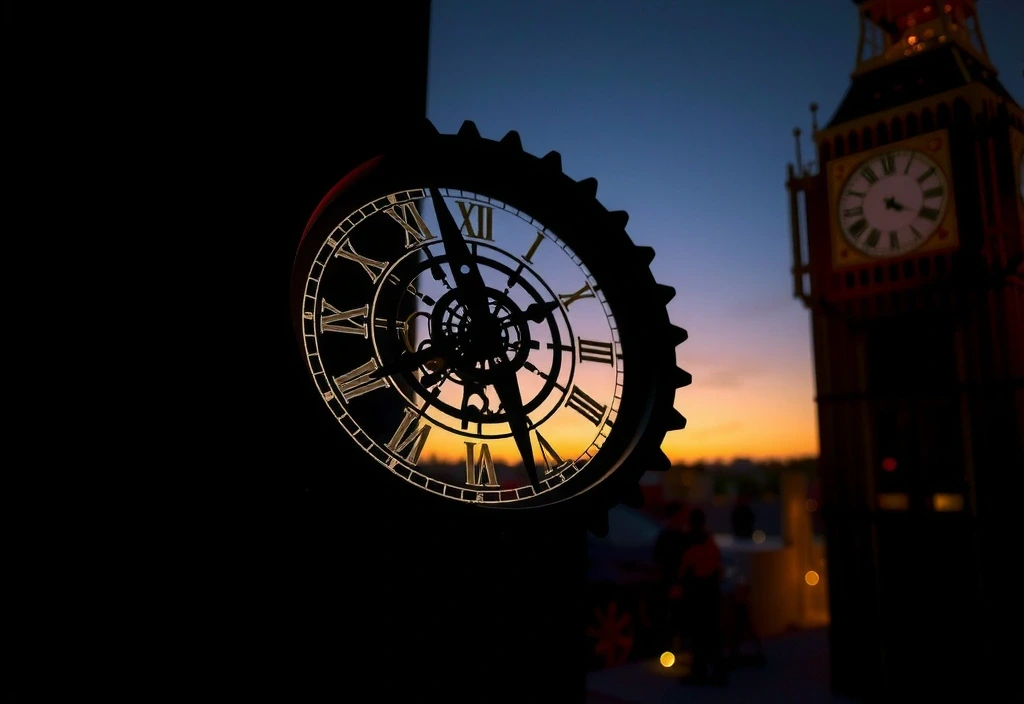
The Escapement
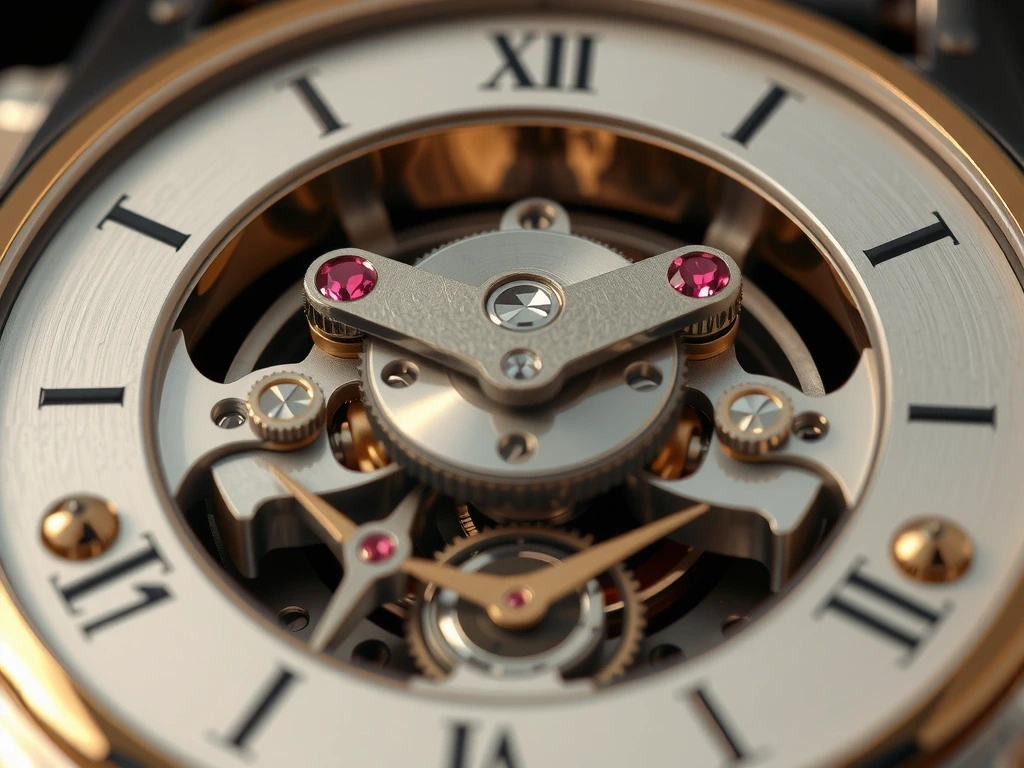
A critical component in mechanical clock design that regulates the movement of the gear train. By releasing the swing of the pendulum at specific intervals, it maintains the steady rhythmic beat required for chronometric precision.
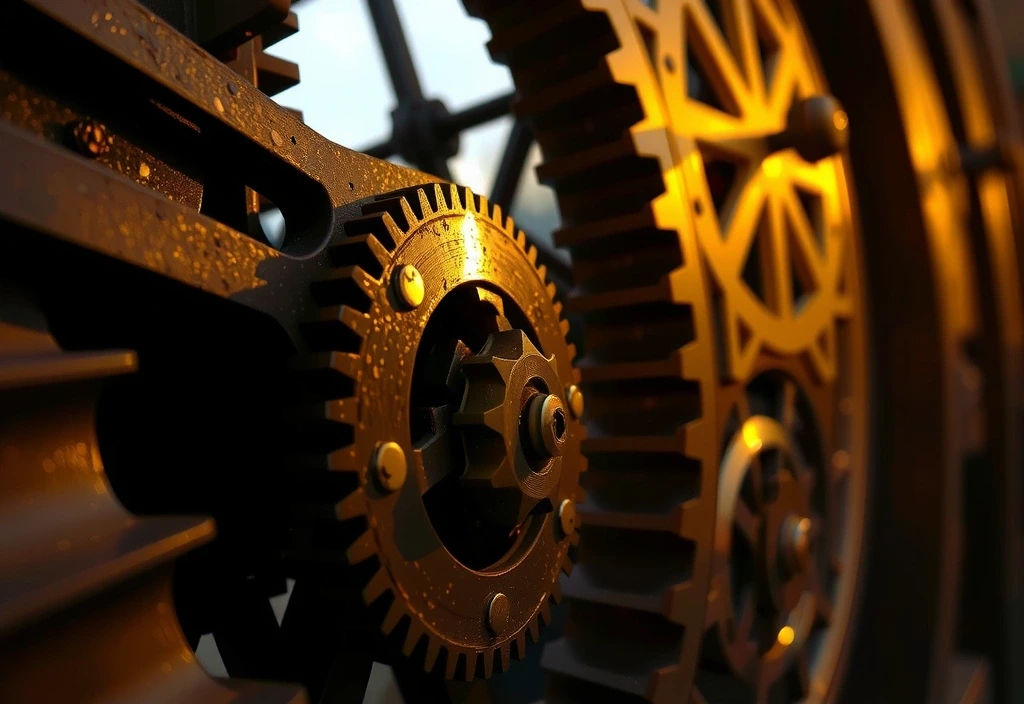
Gearing Ratios
The engineering of clocks involves complex gear trains that reduce the high-torque, slow rotation of a main weight into the high-speed rotation required for minute and second hands across large architectural landmarks.
Oscillation
Whether a pendulum or a quartz crystal, the oscillator provides the constant interval. In historic clock towers, temperature compensation was vital to prevent seasonal expansion of the pendulum arm from altering the time.
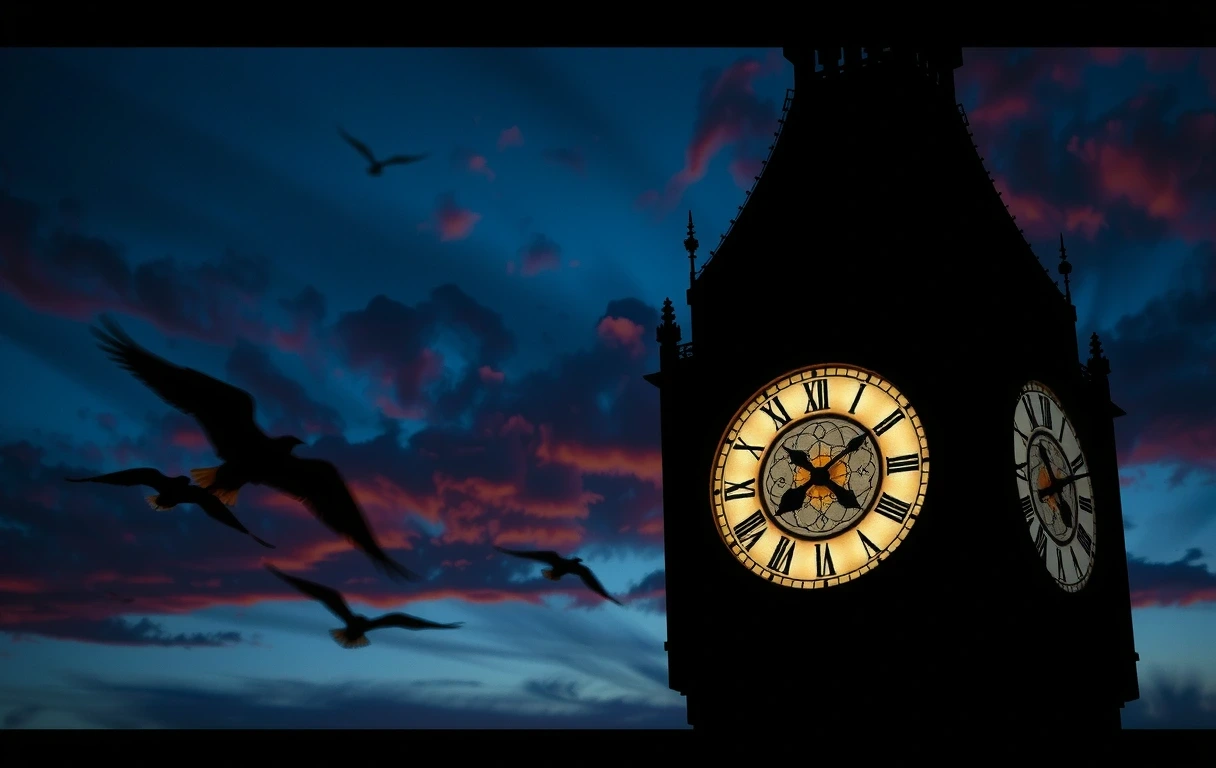
Cultural Time Symbols
Public clocks served as cultural time symbols, synchronizing the movements of entire cities. Before the ubiquity of personal timepieces, the clock tower was the singular source of absolute truth, regulating trade, religion, and social order.
The heritage architecture of these towers often balanced aesthetic grandeur with functional necessity. The integration of bells ensured that time was not just seen, but heard—permeating the urban fabric and creating a shared reality.
-
†
Civic Identity
Towers as landmarks of prestige for municipal and religious institutions.
-
†
Technological Display
Showcasing the peak of contemporary engineering through astronomical dials.
Clock Tower History
System
Solar Time
Derived from the Sun’s position. High variability due to the Earth's axial tilt and elliptical orbit.
Convention
Mean Solar Time
The mathematical average of solar days, creating a uniform 24-hour cycle for social utility.
Regulation
UTC Alignment
Coordinated Universal Time follows atomic standards with occasional leap seconds added.
Precision
Chronometric Scale
From the mechanical balance wheel (4Hz) to quartz (32,768Hz) and atomic oscillators.
"The evolution of timekeeping technology is the story of humanity's attempt to isolate a perfect interval from the chaotic flow of nature. Every mechanical clock is a monument to that struggle."
— Horological Archive ReferenceThe navigation of the high seas in the 18th century required a portable time measurement system that remained accurate despite the motion of a ship and changes in temperature. John Harrison's marine chronometer eventually solved the problem of longitude, proving that high-precision mechanical clock design was not just a pursuit of curiosity, but an essential tool for global exploration and safety. Today, the evolution of timekeeping continues in laboratories where atomic clocks define the fabric of modern life, anchoring everything from stock market trades to satellite telemetry.
Chronicle of Time © 2026