
Clock Tower History
Educational information about clock towers, timekeeping history, and design. A factual reference on historic clocks, mechanisms, and architectural context.
Evolution of Timekeeping
The earliest public timekeeping was not a tower, but a sundial in a Roman forum, where the shadow marked the civic day for all citizens. This transition from natural observations to artificial synchronization marked the birth of shared urban rhythms.
By the Middle Ages, the need for precision grew within religious and administrative walls. Medieval monasteries developed mechanical clocks to regulate prayer times, with the first known tower clock installed in Milan's cathedral around 1335. These structures moved time from the internal sanctuary to the external public square, forever altering human labor and leisure.
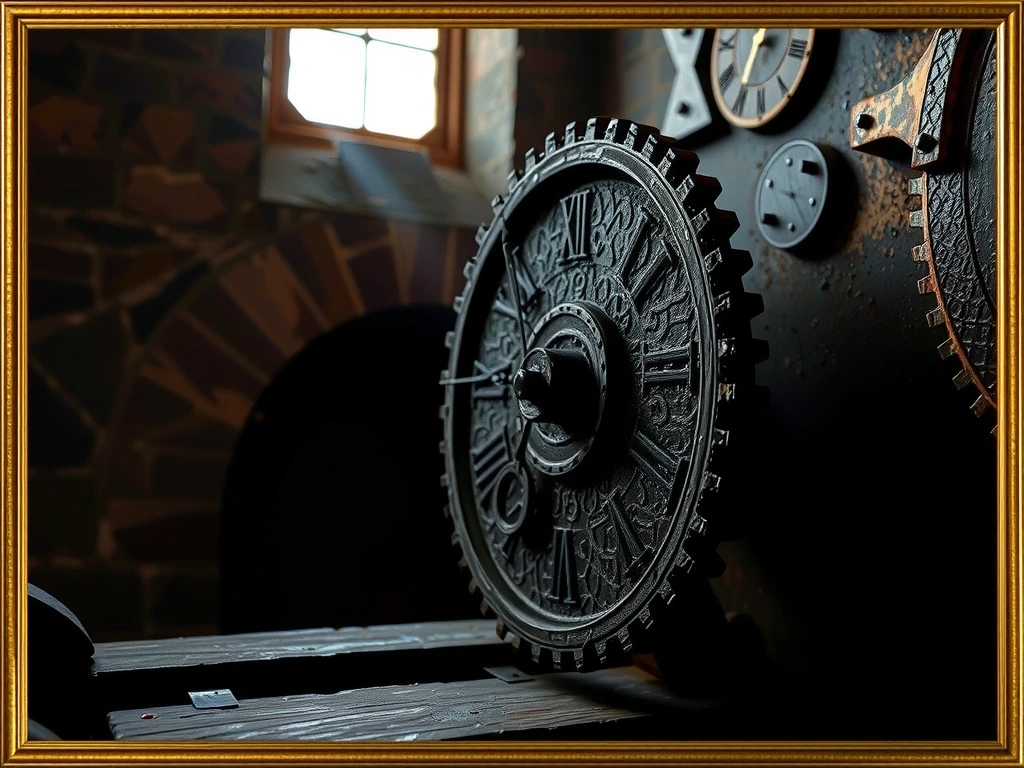
The 14th-century clock tower in Salisbury, England, was a marvel of its time, its single hand marking the hour for an entire town without a face. These early devices relied on massive weight-driven systems, translating gravitational potential into the steady beat of an escapement.
Architectural Landmarks
"Descriptive overview of clockmaking traditions and heritage architecture."
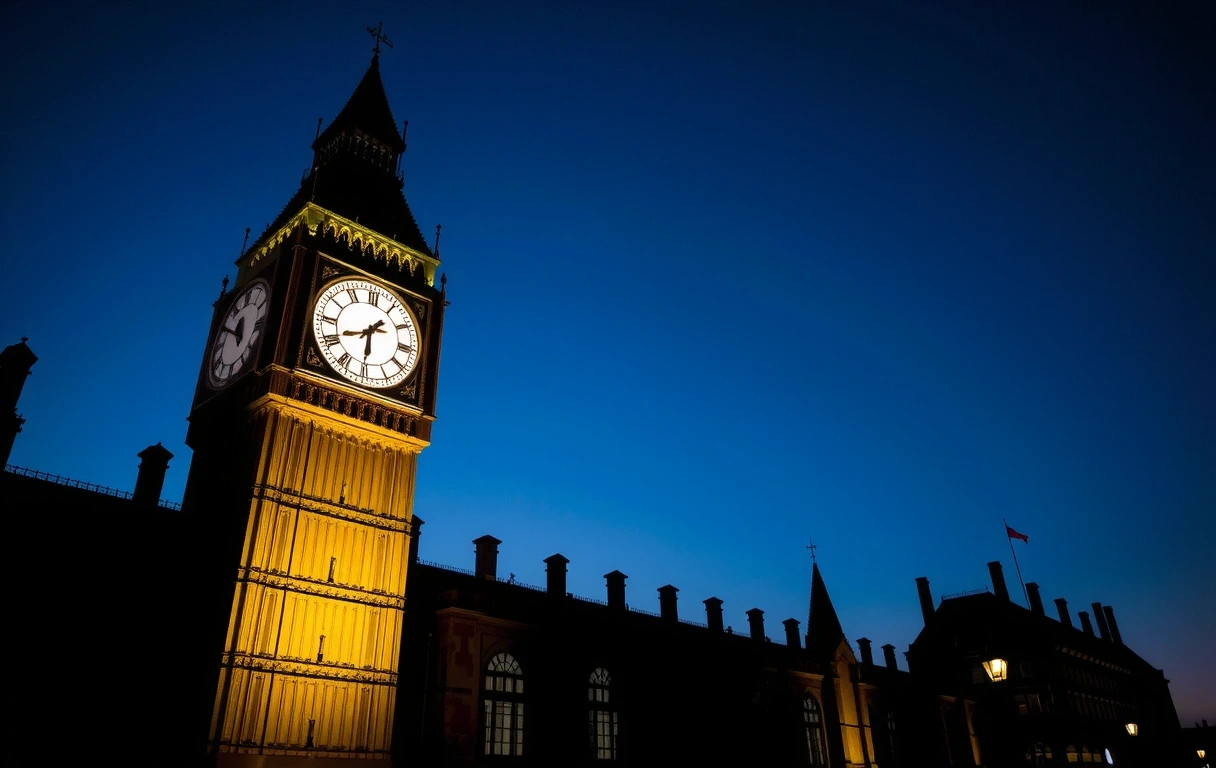
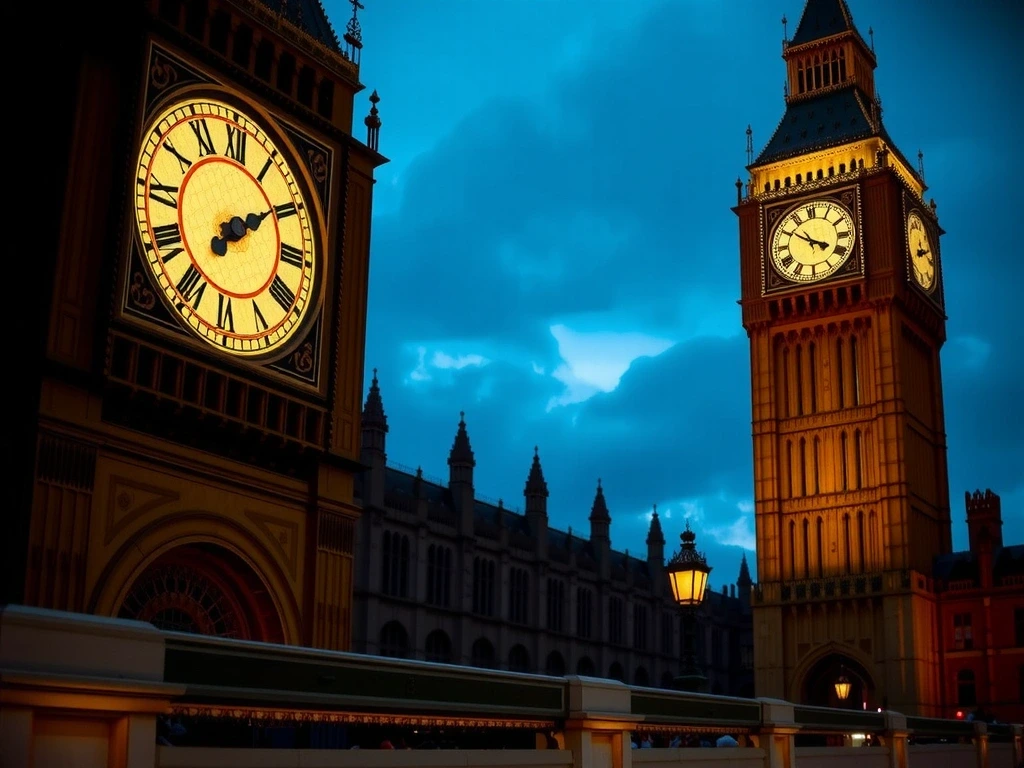
The Great Clock of Westminster, completed in 1859, became a global symbol of precision, its four faces visible from across London. This era represented the peak of Timekeeping Technology, where engineering met civic pride. The design of a clock tower's face evolved from a single hand to four faces, ensuring visibility from all approaches—a practical solution for the burgeoning Industrial Age.
Time and Urban Space
Islamic World
In the Islamic world, the call to prayer was traditionally a human vocalization. Modernity saw this paired with structures like the Abraj Al Bait Clock Tower in Mecca, a fusion of timekeeping and religious significance.
ID: REG-01 / MECCAThe Rajabai Tower
Clock towers like Mumbai's Rajabai Tower served as symbols of administrative authority and modern synchronization. These towers functioned as the central nervous system for colonial city planning.
ID: REG-02 / MUMBAITokyo Tower Clock
As cities densified, the tower clock remained an analog anchor. Tokyo's contemporary structures maintain this tradition, providing a tangential public time signal in a digital world.
ID: REG-03 / TOKYOClock Mechanisms Explained
Escapement
The heart of the clock. It converts continuous rotational power into the rhythmic oscillations that drive the gear train.
Verge and Foliot
A primitive regulator found in early 14th-century mechanical clocks, predating the more accurate pendulum design.

Driving Weight
Massive blocks of iron or stone providing the force required to rotate heavy metal gear sets for days on end.
Chime Assembly
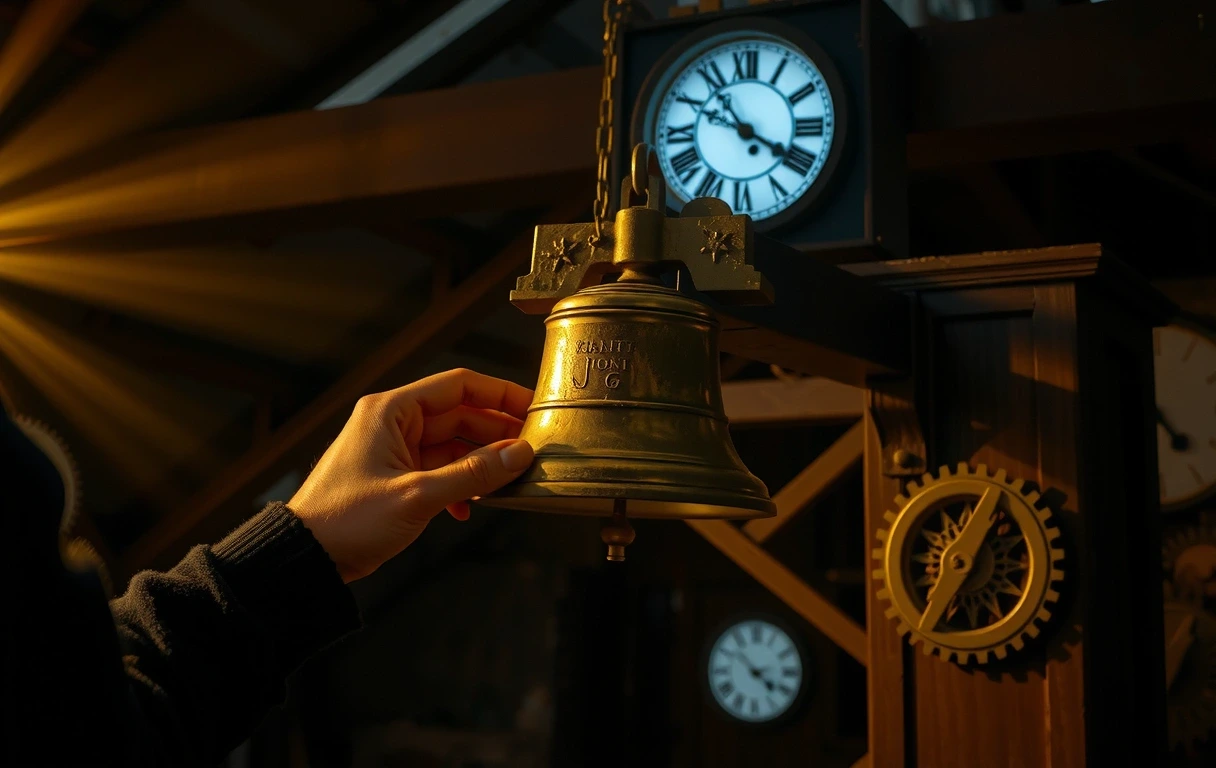
A complex barrel and hammer system that strikes bells, generating the distinct acoustic signature of the city.
Public Time Structures
Heritage Architecture & Clockmaking Traditions
Historic Clock Towers
During wartime, the hands of clock towers were sometimes stopped or altered to confuse enemy reconnaissance, making time a strategic element of urban defense. The tower, normally a beacon of order, became a tool of deception.
Heritage & Conservation
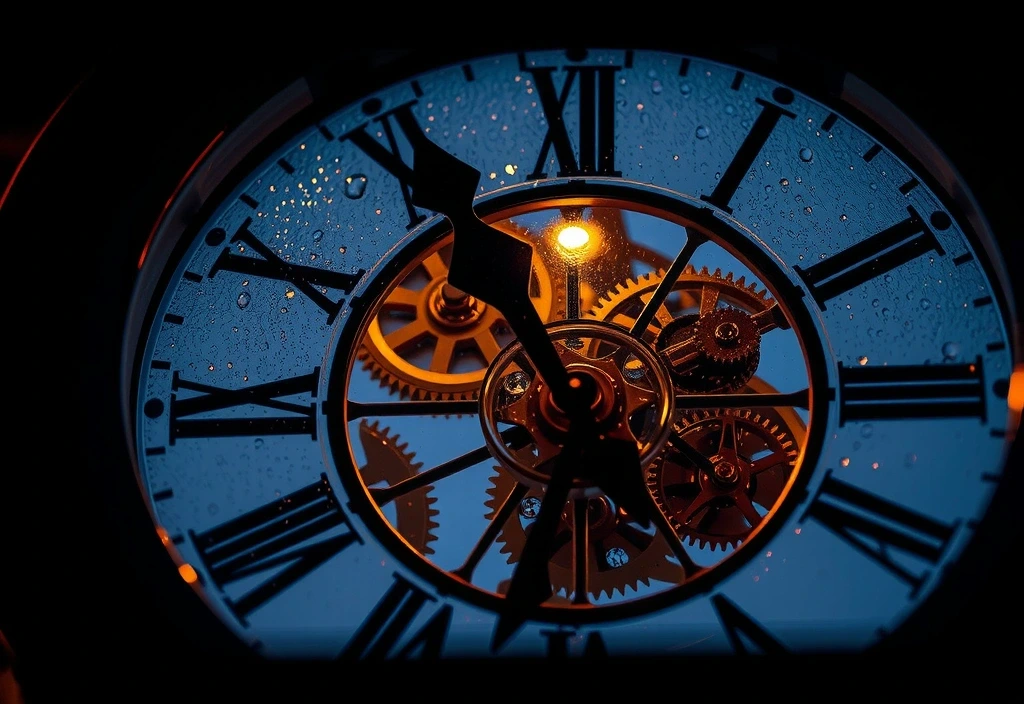
The restoration of a historic clock tower often involves sourcing original materials, like specific types of wood for gears or hand-cast bells to maintain acoustic fidelity. In the digital age, the tower clock remains a tangible, analog anchor—a reminder of a shared, public rhythm.
Conservation Constraints
- I. Mechanical friction loss in heavy iron gears requires specialized biological lubricants.
- II. Structural load in towers must be reassessed prior to bell restoration.
- III. Ornate decoration vs. mechanical longevity is a constant trade-off in outdoor horology.
Timekeeping Through Ages
Era 1
Shadow & Sundial
Era 2
Monastic Weight-Clocks
Era 3
Golden Century of Towers
Era 4
Atomic/Satellite Sync
Continue Research