
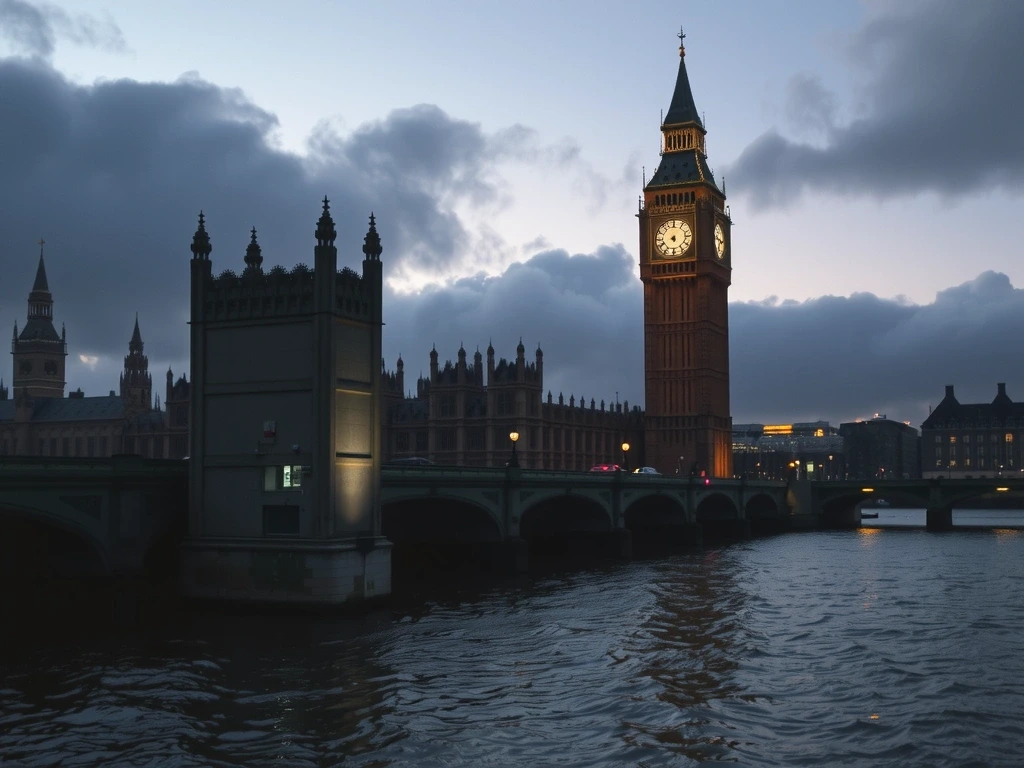
Elizabeth Tower
The archetype of 19th-century horological engineering and gothic revival stature.
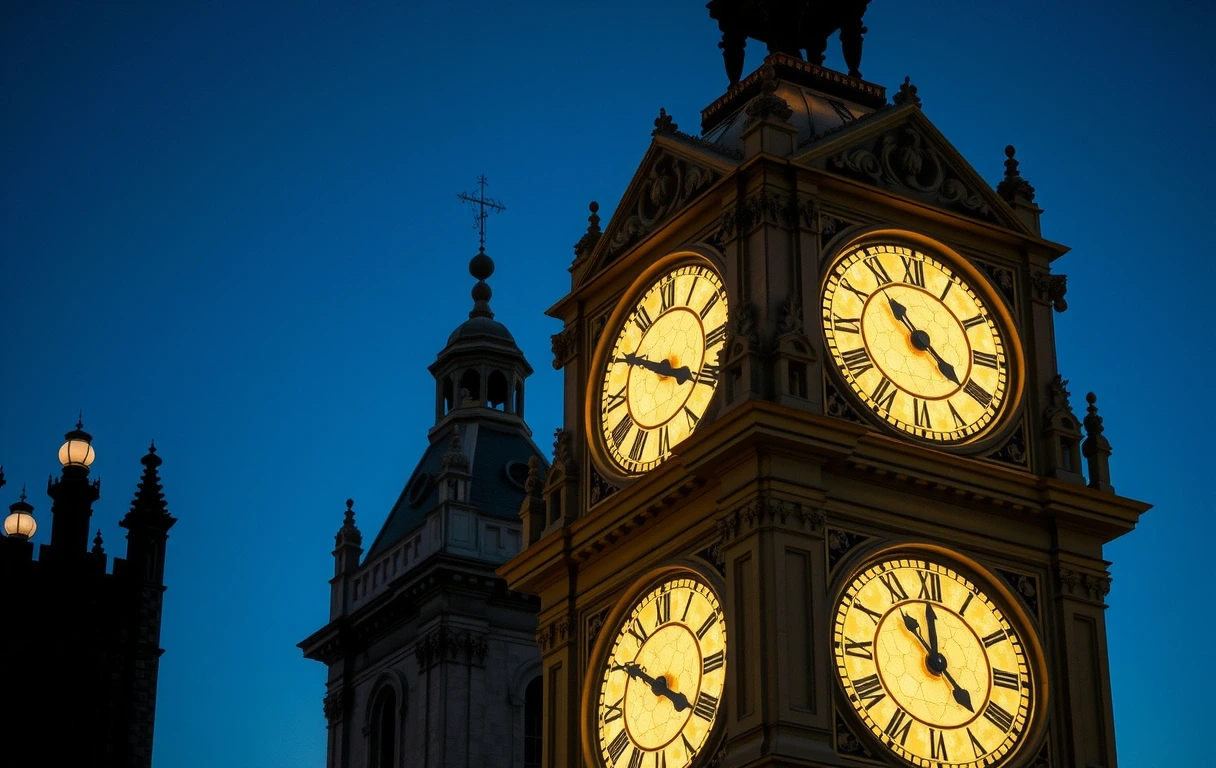
Educational information about clock towers, timekeeping history, and design. A factual reference on historic clocks, mechanisms, and architectural context.
Neutral content explaining time measurement systems and public clock structures begins with the realization that time, once a fluid and environmental experience, required standardization as civilization scaled. Before the advent of mechanical precision, the human experience of the day was dictated by the movement of shadows and the chime of communal bells.
The transition from sundials to synchronized mechanical systems represents one of the most significant shifts in human sociology. It transformed the clock tower from a religious signaling tool into a civic regulator, effectively birthing the concept of "the working day" and architectural landmarks that defined the skyline of every emerging city.

Shadow Measurement
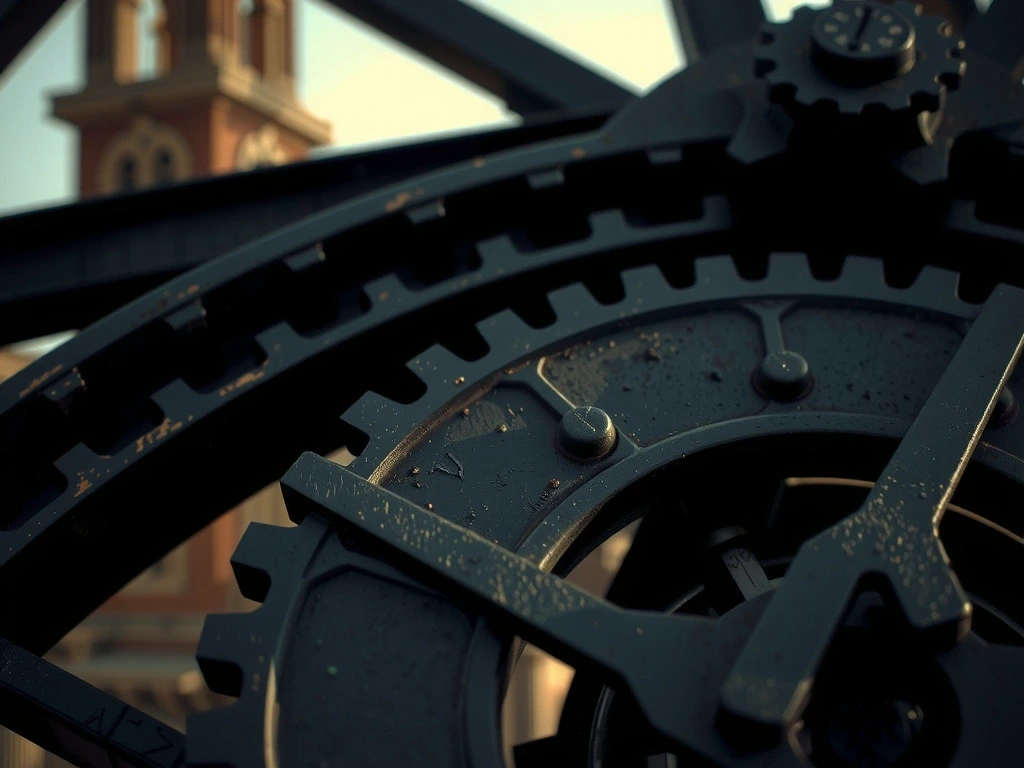
Mechanical Transition
Factual reference on historic clocks, mechanisms, and architectural context focusing on the structural loads and mechanical friction of heavy iron systems.
Introduced in the 13th century, this was the first mechanical device to convert rotational energy into a steady rhythmic beat. Its friction losses were significant but it allowed for the first public tower clocks.
Tower clocks utilized massive cast-iron or stone weights falling through the height of the tower to power the transmission gears, requiring daily manual winding and precise pulley maintenance.
Public time structures relied on the resonance of bronze alloys. The geometry of the bell aperture was designed to diffuse sound across urban spaces while managing structural vibration.
The regulator that tracks time by releasing gear motion in incremental pulses.
The primary energy reservoir providing the torque necessary to move heavy iron hands.

Early oscillation controller used before pendulums, consisting of an upright rod and weighted bar.
The gear train responsible for converting high-torque motion into precise minute calculations.
Descriptive overview of clockmaking traditions and heritage architecture globally. A study of how public time structures defined metropolitan identity across different eras and continents.
The archetype of 19th-century horological engineering and gothic revival stature.
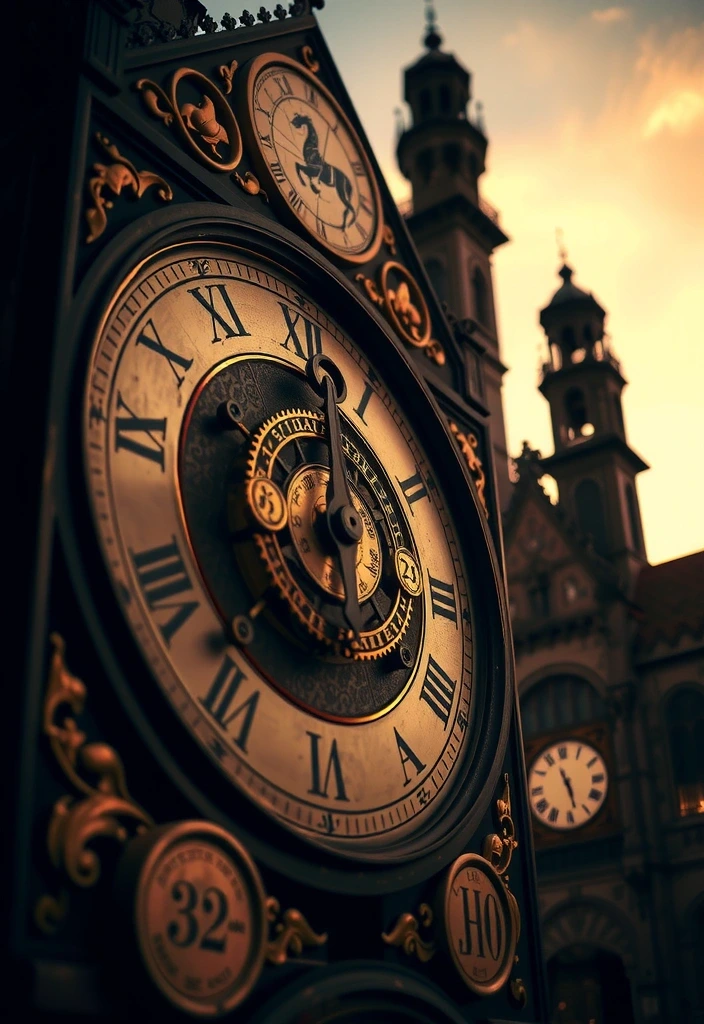
1410: A masterpiece of medieval time measurement systems.
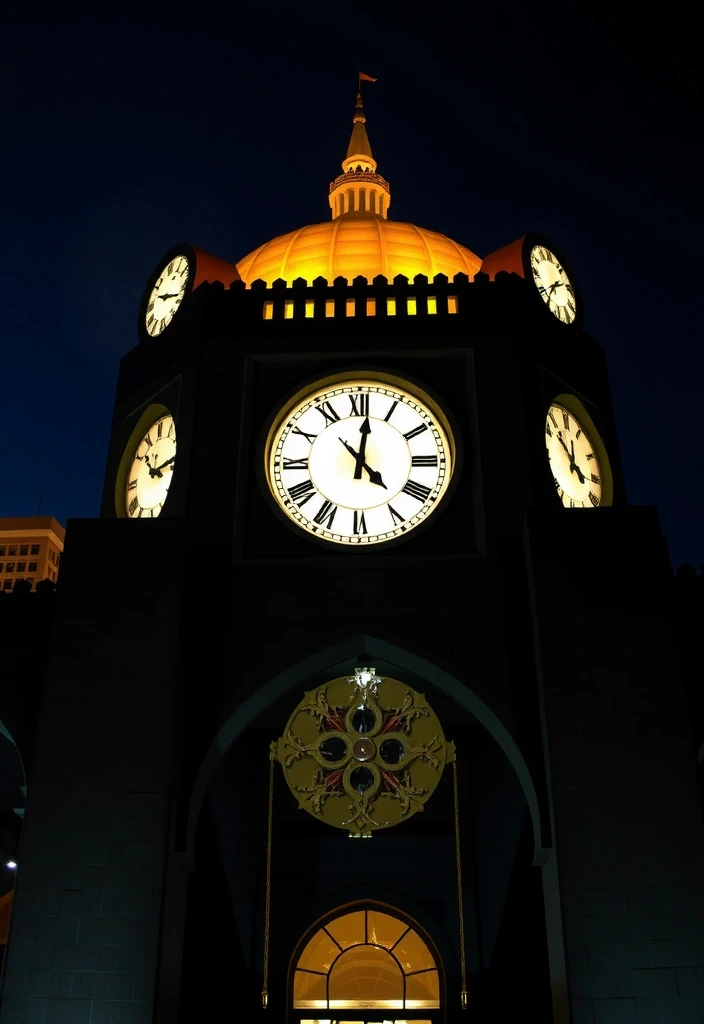
Modern scale: World's largest clock face at 43 meters in diameter.
The clock tower transitioned from a vertical beacon of authority to a shared civic pulse. In the industrial era, the synchronization of time allowed for the rise of rail networks and global commerce, essentially flattening the local "solar noon" into standard time zones.
Social Impact
Public Order
Symbolism
Civic Duty
Function
Labor Sync
Modernity
Global Trade

The engineering of clocks is a generational craft. Maintaining a public time structure requires deep expertise in materials—understanding how seasonal temperature shifts affect pendulum length and gear expansion.
Conservation: Balancing structural integrity with mechanical accuracy in centuries-old stone towers.
Materials: Utilizing bronze for chime resonance and steel for drive chains to avoid corrosion.
Heritage: Preserving the original hand-wound mechanisms versus modern automation retrofits.
A clock tower does not merely tell the time; it commands the attention of history.
For scholars and enthusiasts seeking technical depth on horological heritage and civil engineering.
Explore how different civilizations utilized towers as expressions of mathematical and political power.
A technical breakdown from solar sundials to the atomic precision that governs modern tower synchronization.
Advanced studies on escapements, compensators, and the physics of heavy-load gearing.
A photographic and structural analysis of landmark structures around the globe.